

A Deep Dive into AI, Automation, IoT, and Data-Driven Customer Experiences
Explore the future of marketing in a fully connected digital ecosystem. Learn how AI, automation, IoT, big data, and omnichannel strategies are reshaping customer engagement and business growth.
Table of Contents
- Introduction
- What Is a Fully Connected Digital Ecosystem?
- The Evolution of Marketing Toward Full Connectivity
- Artificial Intelligence and Intelligent Marketing Systems
- Big Data and Real-Time Decision Making
- Marketing Automation and Autonomous Campaigns
- Omnichannel Marketing in a Connected World
- Internet of Things (IoT) and Continuous Customer Interaction
- Cloud Computing and Global Marketing Scalability
- Hyper-Personalization and Customer Experience
- Social Media in a Fully Connected Ecosystem
- Mobile-First Marketing and Always-On Connectivity
- Voice Technology and Conversational Marketing
- Blockchain and Transparency in Marketing Systems
- Challenges of a Fully Connected Marketing Ecosystem
- Ethical Considerations and Data Privacy
- Future Trends in Digital Marketing Ecosystems
- Strategies for Businesses Preparing for the Future
- Conclusion
Marketing is entering a new era defined by total connectivity. In a fully connected digital ecosystem, every device, platform, application, and customer interaction is linked through real-time data exchange. This transformation is reshaping how businesses understand consumers, design campaigns, and deliver personalized experiences at scale.
Traditional marketing models relied on isolated channels and delayed feedback. Today, however, technology enables continuous communication between brands and users. Artificial intelligence, automation, big data, cloud computing, and the Internet of Things (IoT) are merging into an integrated system where marketing becomes dynamic, predictive, and self-optimizing.
In this environment, businesses are no longer simply broadcasting messages—they are participating in an interconnected network of data-driven interactions. This shift is fundamentally changing the future of marketing.
This article explores how marketing is evolving in a fully connected digital ecosystem and what businesses must do to remain competitive in this rapidly changing landscape.
What Is a Fully Connected Digital Ecosystem?
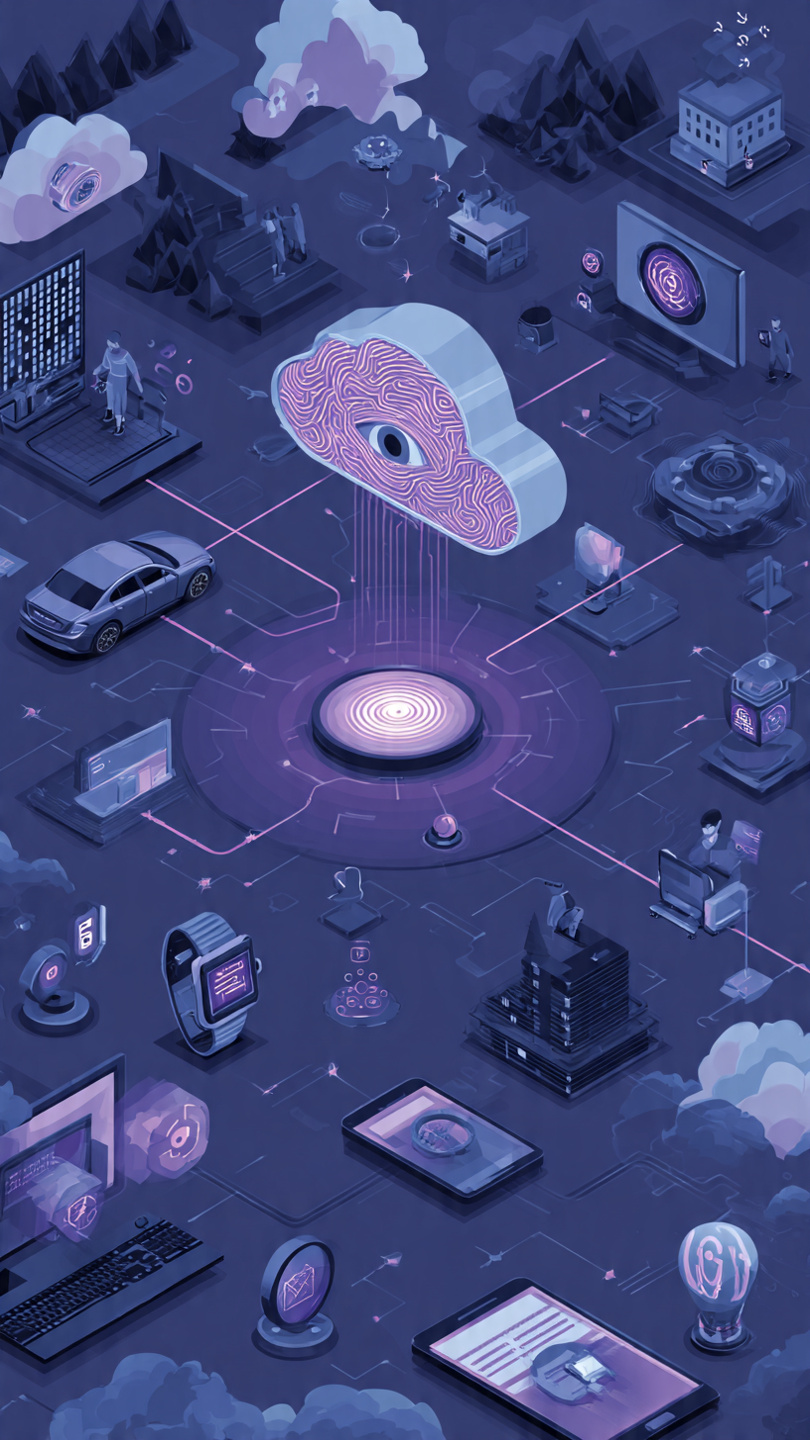
A fully connected digital ecosystem is a network where devices, platforms, users, and systems communicate seamlessly through shared data and integrated technologies.
Core Components:
- Smart devices (IoT)
- Cloud computing infrastructure
- AI-powered systems
- Mobile applications
- Social media platforms
- E-commerce ecosystems
Key Characteristics:
- Real-time data exchange
- Continuous connectivity
- Cross-platform integration
- Intelligent automation
In this ecosystem, marketing becomes a living system that adapts instantly to user behavior.
The Evolution of Marketing Toward Full Connectivity
Marketing has evolved through several stages:
Traditional Marketing Era
- Print, TV, and radio advertising
- Limited audience targeting
- One-way communication
Digital Marketing Era
- Websites and email campaigns
- Social media advertising
- Basic analytics
Connected Marketing Era
- AI-driven personalization
- Real-time engagement
- Omnichannel strategies
- Data integration across platforms
The shift toward full connectivity represents a transition from static marketing to adaptive and intelligent systems.
Artificial Intelligence and Intelligent Marketing Systems
Artificial intelligence is the backbone of modern marketing ecosystems.
How AI Transforms Marketing
- Predicts customer behavior
- Automates decision-making
- Personalizes user experiences
- Optimizes campaigns in real time
Key Applications:
- Chatbots and virtual assistants
- Recommendation engines
- Predictive analytics tools
- AI-generated content systems
Impact on Marketing:
AI enables marketing systems to become self-learning and continuously improving.
Big Data and Real-Time Decision Making
Big data fuels the connected ecosystem.
Sources of Data:
- Online browsing behavior
- Social media activity
- Purchase history
- IoT device interactions
Benefits:
- Faster insights
- Accurate targeting
- Improved campaign performance
Real-time data allows businesses to adjust strategies instantly.
Marketing Automation and Autonomous Campaigns
Automation is evolving into fully autonomous marketing systems.
Capabilities:
- Automated email campaigns
- Dynamic ad optimization
- Customer journey automation
- Predictive lead scoring
Benefits:
- Higher efficiency
- Reduced manual workload
- Scalable marketing operations
Automation reduces friction in customer engagement.
Omnichannel Marketing in a Connected World
Omnichannel marketing ensures seamless experiences across platforms.
Key Channels:
- Websites
- Mobile apps
- Social media
- Physical stores
Benefits:
- Consistent messaging
- Unified customer experience
- Stronger brand engagement
Customers expect continuity across all digital touchpoints.
Internet of Things (IoT) and Continuous Customer Interaction
IoT connects physical and digital environments.
Examples:
- Smart homes
- Wearable devices
- Connected vehicles
Marketing Impact:
- Real-time behavior tracking
- Context-aware advertising
- Personalized notifications
IoT enables continuous and highly contextual engagement.
Cloud Computing and Global Marketing Scalability
Cloud infrastructure supports global connectivity.
Advantages:
- Centralized data storage
- Global accessibility
- Scalable operations
- Real-time collaboration
Cloud systems are essential for managing connected ecosystems.
Hyper-Personalization and Customer Experience
Hyper-personalization goes beyond basic targeting.
How It Works:
- AI analyzes individual behavior
- Systems adjust content dynamically
- Offers are tailored in real time
Benefits:
- Higher engagement
- Increased conversions
- Stronger customer loyalty
Every user receives a unique experience.
Social Media in a Fully Connected Ecosystem
Social media platforms act as central hubs in digital ecosystems.
Key Features:
- Algorithm-driven content
- Real-time interaction
- AI-based recommendations
Impact:
- Viral marketing opportunities
- Community-driven engagement
- Instant feedback loops
Mobile-First Marketing and Always-On Connectivity
Mobile devices are the primary access point to digital ecosystems.
Key Strategies:
- Mobile apps
- Push notifications
- Responsive design
- Location-based marketing
Consumers are always connected, shaping continuous engagement opportunities.
Voice Technology and Conversational Marketing
Voice interfaces are becoming increasingly important.
Examples:
- Smart assistants
- Voice search systems
- Conversational AI platforms
Impact:
Marketing must adapt to natural language and conversational queries.
Blockchain and Transparency in Marketing Systems
Blockchain improves trust in digital ecosystems.
Benefits:
- Transparent transactions
- Reduced ad fraud
- Secure data tracking
It enhances accountability in digital marketing.
Challenges of a Fully Connected Marketing Ecosystem
Key Challenges:
- Data overload
- System complexity
- Integration issues
- Cybersecurity risks
Managing complexity is a major challenge for businesses.
Ethical Considerations and Data Privacy
Privacy is critical in connected systems.
Concerns:
- Data misuse
- Surveillance risks
- Lack of transparency
Solutions:
- Strong encryption
- Clear consent policies
- Ethical AI usage
Trust is essential for ecosystem stability.
Future Trends in Digital Marketing Ecosystems
Emerging Trends:
- AI-driven autonomous marketing
- Fully predictive customer journeys
- Immersive metaverse experiences
- Emotion-based personalization
The future will be highly intelligent and immersive.
Strategies for Businesses Preparing for the Future
Best Practices:
- Invest in AI and data systems
- Adopt omnichannel strategies
- Prioritize customer experience
- Strengthen data security
- Embrace continuous innovation
Adaptability will define future success.
The future of marketing in a fully connected digital ecosystem is defined by intelligence, automation, and seamless connectivity. AI, big data, IoT, cloud computing, and automation are merging into integrated systems that transform how businesses engage with customers.
Marketing is no longer a collection of isolated strategies—it is becoming a continuous, adaptive, and interconnected experience. Companies that embrace this transformation will be able to deliver more personalized, efficient, and impactful customer interactions.
In the coming years, success will depend on how effectively businesses integrate technology into every aspect of their marketing strategy while maintaining trust, transparency, and customer-centric values.


Deja una respuesta