

finds.demoda.today
A Comprehensive Guide to the Evolution of Connected Technologies
Explore how smart devices are shaping the future of online connectivity. Learn about IoT, AI integration, 5G networks, smart homes, and the next generation of connected ecosystems.
Table of Contents
- Introduction
- Understanding Smart Devices
- The Evolution of Online Connectivity
- The Internet of Things (IoT) Revolution
- Smart Devices in Everyday Life
- The Role of Artificial Intelligence in Smart Devices
- 5G Technology and Its Impact on Connectivity
- Edge Computing and Real-Time Processing
- Smart Homes and Connected Living
- Wearable Technology and Personal Connectivity
- Smart Cities and Urban Connectivity
- Industrial IoT and Business Transformation
- Security and Privacy Challenges
- Interoperability and Standardization
- Challenges Facing Smart Device Adoption
- Future Trends in Smart Devices and Connectivity
- Building a Connected Ecosystem
- Case Studies of Smart Connectivity in Action
- Conclusion
The rapid advancement of technology has transformed the way people interact with the digital world. At the center of this transformation are smart devices, which are redefining how we communicate, work, and live. From smartphones and wearable gadgets to smart home systems and connected infrastructure, these devices are creating a seamless and interconnected environment.
Online connectivity is no longer limited to computers and mobile phones. Today, billions of devices communicate with each other in real time, forming a vast network that supports modern life. As technologies like artificial intelligence, 5G, and edge computing continue to evolve, smart devices are expected to play an even greater role in shaping the future of connectivity.
This article explores how smart devices are driving innovation, enabling new experiences, and creating a more connected world.
Understanding Smart Devices
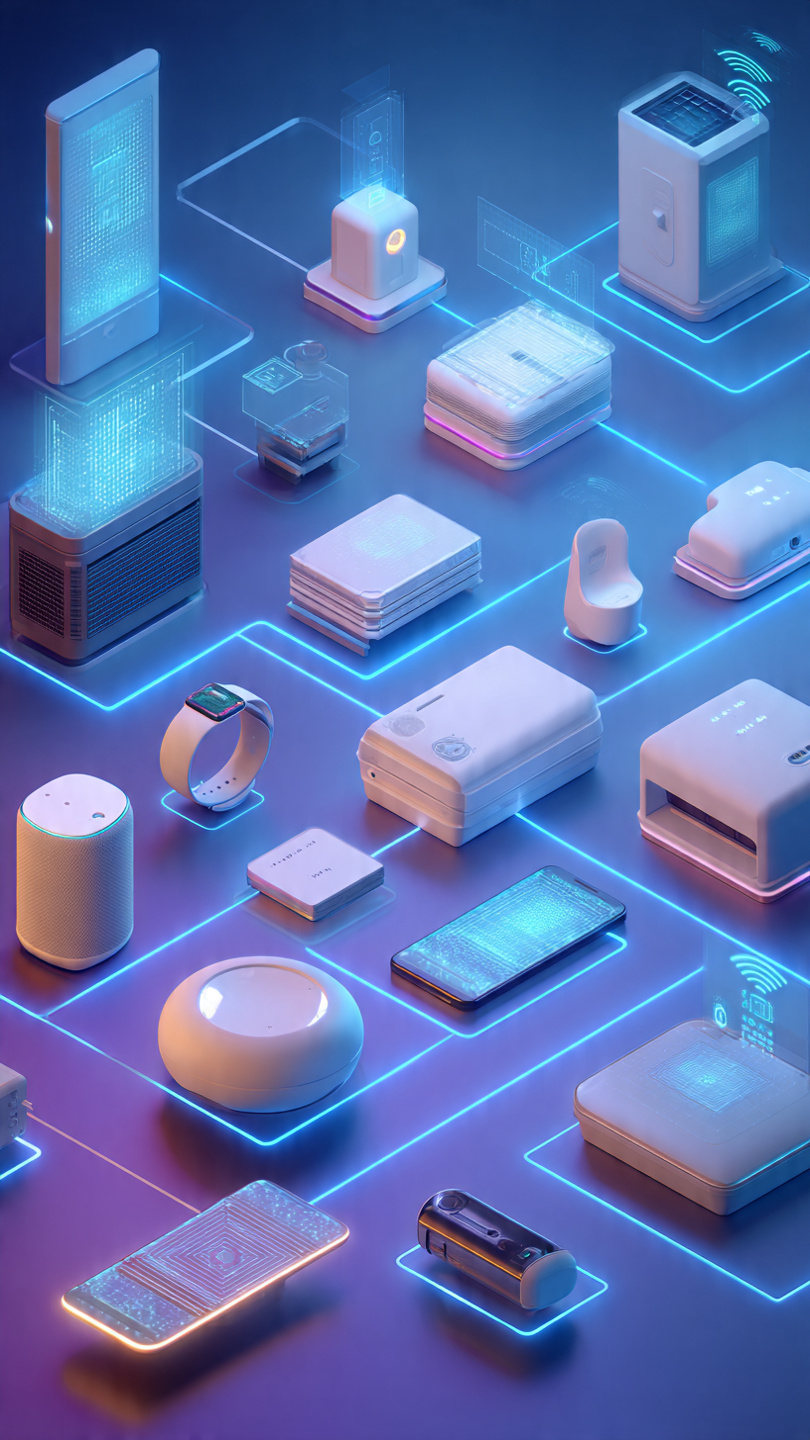
Smart devices are electronic devices that can connect to networks, process data, and interact with users or other devices. These devices typically include sensors, software, and connectivity features that enable them to perform automated or intelligent functions.
Key Characteristics:
- Internet connectivity
- Data processing capabilities
- Automation and control features
- Integration with other devices
Examples of Smart Devices:
- Smartphones
- Smart TVs
- Smart thermostats
- Fitness trackers
- Voice assistants
These devices serve as building blocks for modern digital ecosystems, enabling seamless communication and data exchange.
The Evolution of Online Connectivity
Online connectivity has evolved significantly over the past decades:
Early Internet Era:
- Dial-up connections
- Limited speed and accessibility
Broadband Era:
- Faster connections
- Expansion of online services
Mobile Internet Era:
- Smartphones and mobile apps
- Increased accessibility
Connected Ecosystem Era:
- IoT devices
- Cloud computing
- Real-time data exchange
This evolution reflects a shift from isolated connections to fully integrated digital environments.
The Internet of Things (IoT) Revolution
The Internet of Things (IoT) is the backbone of smart device connectivity. It refers to a network of interconnected devices that communicate and exchange data.
Key Components:
- Sensors and actuators
- Connectivity protocols
- Cloud platforms
- Data analytics
Impact of IoT:
- Improved efficiency
- Automation of processes
- Enhanced user experiences
IoT enables devices to operate intelligently, creating a dynamic and responsive digital ecosystem.
Smart Devices in Everyday Life
Smart devices have become an integral part of daily life:
At Home:
- Smart lighting
- Voice-controlled assistants
- Connected appliances
At Work:
- Smart collaboration tools
- Automated workflows
- Remote connectivity
In Healthcare:
- Wearable health monitors
- Remote patient monitoring
- Smart medical devices
These applications demonstrate how smart devices improve convenience, efficiency, and quality of life.
The Role of Artificial Intelligence in Smart Devices
Artificial intelligence enhances the capabilities of smart devices by enabling them to learn and adapt.
AI Applications:
- Voice recognition
- Predictive recommendations
- Image recognition
- Behavioral analysis
Benefits:
- Personalized user experiences
- Improved decision-making
- Automation of complex tasks
AI transforms smart devices from simple tools into intelligent assistants.
5G Technology and Its Impact on Connectivity
5G technology is a major driver of future connectivity.
Key Features:
- Ultra-fast speeds
- Low latency
- High device capacity
Impact on Smart Devices:
- Real-time communication
- Enhanced streaming and gaming
- Support for massive IoT networks
5G enables a new level of connectivity, allowing devices to interact instantaneously and efficiently.

finds.demoda.today
Edge Computing and Real-Time Processing
Edge computing processes data closer to the source rather than relying solely on cloud servers.
Advantages:
- Reduced latency
- Improved performance
- Enhanced data security
Applications:
- Autonomous vehicles
- Smart manufacturing
- Real-time analytics
Edge computing complements smart devices by enabling faster and more reliable connectivity.
Smart Homes and Connected Living
Smart homes represent one of the most visible applications of connected devices.
Features:
- Automated lighting and climate control
- Security systems
- Voice-controlled devices
Benefits:
- Energy efficiency
- Convenience
- Enhanced security
Smart homes illustrate how connectivity can transform everyday living.
Wearable Technology and Personal Connectivity
Wearable devices provide continuous connectivity and monitoring.
Examples:
- Smartwatches
- Fitness trackers
- Health monitoring devices
Impact:
- Real-time health insights
- Improved fitness tracking
- Personalized recommendations
Wearables extend connectivity to the human body, creating a more integrated digital experience.
Smart Cities and Urban Connectivity
Smart cities use connected devices to improve urban living.
Applications:
- Smart traffic management
- Energy-efficient infrastructure
- Public safety systems
Benefits:
- Reduced congestion
- Lower energy consumption
- Improved quality of life
Smart devices play a critical role in building sustainable and efficient cities.
Industrial IoT and Business Transformation
Industries are leveraging smart devices to enhance operations.
Key Uses:
- Predictive maintenance
- Supply chain optimization
- Automation
Impact:
- Increased productivity
- Reduced costs
- Improved decision-making
Industrial IoT drives digital transformation across sectors.
Security and Privacy Challenges
As connectivity increases, so do security risks.
Key Concerns:
- Data breaches
- Unauthorized access
- Privacy violations
Solutions:
- Encryption
- Secure authentication
- Regular updates
Ensuring security is essential for maintaining trust in connected systems.
Interoperability and Standardization
For smart devices to function effectively, they must work together seamlessly.
Challenges:
- Different protocols
- Compatibility issues
Solutions:
- Industry standards
- Open platforms
Interoperability ensures a cohesive and efficient ecosystem.
Challenges Facing Smart Device Adoption
Despite their benefits, challenges remain:
- High costs
- Technical complexity
- Limited infrastructure in some regions
- Privacy concerns
Addressing these challenges is key to widespread adoption.
Future Trends in Smart Devices and Connectivity
Emerging Trends:
- AI-powered ecosystems
- Expansion of IoT networks
- Integration with blockchain
- Growth of smart cities
The future will be defined by hyper-connectivity and intelligent systems.
Building a Connected Ecosystem
Creating a connected ecosystem requires:
- Reliable infrastructure
- Scalable technology platforms
- Strong security measures
- User-friendly interfaces
A well-designed ecosystem enhances efficiency and user experience.
Case Studies of Smart Connectivity in Action
Smart Home Integration
Devices working together to automate daily tasks.
Healthcare Monitoring
Wearables providing real-time health data.
finds.demoda.today
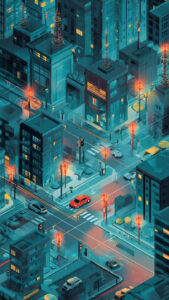
Smart Cities
Connected systems improving urban efficiency.
These examples highlight the transformative potential of smart devices.
Smart devices are at the forefront of the future of online connectivity. By integrating technologies like AI, IoT, 5G, and edge computing, they enable seamless communication, automation, and data-driven decision-making.
As the world becomes increasingly connected, smart devices will continue to shape how individuals, businesses, and societies interact with technology. The challenge lies in ensuring security, accessibility, and interoperability while maximizing the benefits of connectivity.
Ultimately, smart devices are not just tools—they are the foundation of a smarter, more connected, and more efficient digital future.

Deja una respuesta