



finds.demoda.today
A Deep Dive into How Smart Technology Is Reshaping Modern Buying Decisions
Discover how connected devices are influencing digital consumer behavior. Learn about IoT, data-driven personalization, omnichannel experiences, and how technology shapes modern purchasing decisions.
Table of Contents
- Introduction
- Understanding Connected Devices
- The Evolution of Digital Consumer Behavior
- The Role of IoT in Consumer Decision-Making
- Data Collection and Consumer Insights
- Personalization and Hyper-Targeting
- Omnichannel Shopping Experiences
- Mobile and Wearable Device Influence
- Voice Search and Smart Assistants
- Social Media and Connected Ecosystems
- Real-Time Engagement and Instant Gratification
- Trust, Privacy, and Data Security Concerns
- Behavioral Changes Driven by Automation
- The Psychology of Always-Connected Consumers
- Challenges for Businesses
- Opportunities for Marketers
- Future Trends in Connected Consumer Behavior
- Strategies for Adapting to Connected Consumers
- Conclusion
The rapid rise of connected devices has fundamentally transformed how consumers interact with brands, products, and services. From smartphones and wearables to smart home systems and voice assistants, these devices are constantly collecting data, enabling real-time interactions, and shaping decision-making processes.
Today’s consumers are more informed, more connected, and more demanding than ever before. They expect seamless experiences, personalized content, and instant access to information across multiple platforms. As a result, businesses must adapt their strategies to meet the expectations of this new digital consumer.
This article explores how connected devices are influencing digital consumer behavior, examining key trends, challenges, and opportunities in an increasingly interconnected world.
Understanding Connected Devices
Connected devices refer to electronic devices that can communicate with each other through the internet or other networks.
Examples:
- Smartphones
- Smart TVs
- Wearables
- Smart home devices
- IoT-enabled appliances
Key Features:
- Continuous connectivity
- Data collection and analysis
- Integration with digital platforms
These devices form the backbone of modern digital ecosystems.
The Evolution of Digital Consumer Behavior
Consumer behavior has evolved alongside technology:
Pre-Digital Era
- Limited information access
- Traditional shopping experiences
Early Digital Era
- Online research before purchases
- Growth of e-commerce
Connected Era
- Real-time decision-making
- Personalized experiences
- Cross-device interactions
Today’s consumers are always connected, leading to more dynamic and complex behaviors.
The Role of IoT in Consumer Decision-Making
The Internet of Things (IoT) plays a critical role in influencing decisions.
How IoT Impacts Consumers:
- Provides real-time product information
- Enables smart recommendations
- Automates purchasing decisions
Examples:
- Smart refrigerators suggesting grocery purchases
- Wearables recommending health products
IoT shifts decision-making from manual to automated and data-driven processes.
Data Collection and Consumer Insights
Connected devices generate vast amounts of data.
Types of Data:
- Behavioral data
- Location data
- Purchase history
- Interaction data
Benefits for Businesses:
- Deeper customer insights
- Improved targeting
- Enhanced marketing strategies
Data is the foundation of understanding modern consumer behavior.
Personalization and Hyper-Targeting
Personalization is a direct result of connected devices.
Techniques:
- AI-driven recommendations
- Dynamic content delivery
- Targeted advertising
Impact:
- Higher engagement
- Increased conversions
- Stronger brand loyalty
Hyper-targeting allows brands to deliver highly relevant experiences.
Omnichannel Shopping Experiences
Connected devices enable seamless shopping across channels.
Channels Include:
- Mobile apps
- Websites
- Physical stores
- Social media
Benefits:
- Consistent user experience
- Improved convenience
- Increased customer satisfaction
Consumers expect a unified experience regardless of the platform.
Mobile and Wearable Device Influence
Mobile devices are central to consumer behavior.
Key Impacts:
- Instant access to information
- On-the-go shopping
- Location-based marketing
Wearables add another layer of connectivity, influencing health and lifestyle decisions.
Voice Search and Smart Assistants

finds.demoda.today
Voice technology is changing how consumers search and interact.
Examples:
- Voice queries for products
- Smart assistant recommendations
Impact:
- More conversational searches
- Faster decision-making
Voice interfaces simplify the consumer journey.
Social Media and Connected Ecosystems
Social media platforms are deeply integrated with connected devices.
Influence on Behavior:
- Product discovery
- Peer recommendations
- Influencer marketing
Connected ecosystems amplify the reach and impact of social media.
Real-Time Engagement and Instant Gratification
Consumers expect immediate responses.
Examples:
- Instant customer support
- Real-time offers
- Fast delivery options
This demand for instant gratification shapes purchasing behavior.
Trust, Privacy, and Data Security Concerns
With increased connectivity comes increased risk.
Key Concerns:
- Data breaches
- Privacy violations
- Misuse of personal information
Impact:
- Reduced trust
- Hesitation in sharing data
Businesses must prioritize security and transparency.
Behavioral Changes Driven by Automation
Automation influences consumer habits.
Examples:
- Subscription services
- Auto-replenishment systems
- Smart purchasing
Consumers rely more on technology for decision-making.
The Psychology of Always-Connected Consumers
Constant connectivity affects behavior:
- Shorter attention spans
- Increased expectations
- Desire for personalization
Understanding these psychological changes is crucial for marketers.
Challenges for Businesses
- Managing large volumes of data
- Ensuring data privacy
- Integrating multiple platforms
- Keeping up with technological changes
Businesses must adapt quickly to remain competitive.
Opportunities for Marketers
- Enhanced targeting capabilities
- Improved customer insights
- Greater engagement opportunities
Connected devices open new possibilities for innovation.
Future Trends in Connected Consumer Behavior
Emerging Trends:
- AI-driven personalization
- Expansion of IoT networks
- Growth of smart homes
- Increased use of voice technology
The future will be more connected and data-driven.
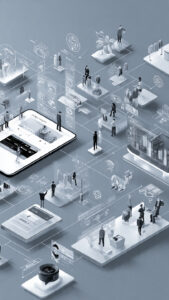
Strategies for Adapting to Connected Consumers
finds.demoda.today
Key Strategies:
- Invest in data analytics
- Focus on personalization
- Build omnichannel experiences
- Prioritize security
- Leverage emerging technologies
Adaptation is essential for success.
Connected devices have fundamentally reshaped digital consumer behavior. They enable real-time interactions, personalized experiences, and data-driven decision-making, transforming how consumers engage with brands.
For businesses, understanding these changes is critical. By leveraging technology and adapting strategies, companies can create meaningful connections with modern consumers and stay ahead in a competitive digital landscape.
The future of consumer behavior is connected, intelligent, and continuously evolving, and those who embrace this transformation will lead the market.

Deja una respuesta